This information is intended for teenagers with scoliosis who are undergoing treatment with Dr. Strauss ONLY. This information is not intended to apply to all patients with scoliosis. These guidelines are intended only for the consideration of the adolescent patient and their parents, who are considering or currently undergoing CLEAR treatment. Adult scoliosis patients may benefit from the General Guidelines regarding Sports and Activities.
Are Sports Discouraged for Teenagers with Idiopathic Scoliosis?
Primary Points
-
We believe that participation in sports and physical activities plays an important role in developing physical, intellectual, and social well-being in adolescents. Our goal is to support adolescents in encouraging healthy and safe participation in these activities.
-
Participation in sports and physical activities should be limited or restricted only when these activities might negatively influence health status or the potential health benefits provided by the Strauss Method for scoliosis treatment.
-
Compliance (defined as scheduling and keeping prescribed appointment sessions, following their prescribed home rehabilitation program and wearing their brace for the recommended hours per day) in order to participate in sports and physical activities. Non-compliant patients are discouraged from participation in these activities, as this may pose a risk to their potential benefit of their treatment plan.
-
Strauss Scoliosis Correction wants to be consulted and informed regarding any and all sports and physical activities (including Physical Education classes that the patient participates in at school) that the patient will be participating in, prior to participation in these activities.
-
If restricting or limiting sports or physical activities is deemed necessary by Strauss Scoliosis Correction, these recommendations MUST be followed by the patient.
-
If restricting or limiting sports or physical activities is deemed necessary by Strauss Scoliosis Correction in charge of managing the patient, specific spinal isometric exercises and other home rehabilitation therapies will be considered as a possible replacement for these activities, and alternative sports and physical activities that ARE deemed acceptable by Strauss Scoliosis Correction will be suggested as potential substitutes.
-
Certain sports or activities which may be permissible in one individual may be restricted or limited in another.
- Strauss Scoliosis Correction will support our patients by providing them and the involved authorities with the required documentation and/or healthcare information to justify limitation or restriction of certain activities upon the request of the patient’s parents or legal guardian(s). Please ask at the front desk.
General guidelines regarding sports and activities:
(This information may also be helpful to adult scoliosis patients.)
Strauss Scoliosis Correction recommends that patients undergoing treatment LIMIT or RESTRICT their participation ONLY in the following sports and activities:


-
Collision sports: football, hockey, rugby, full-contact martial arts, cheerleading, gymnastics
-
The patient should avoid participation in any activities which cause or increase pain or other musculoskeletal symptoms.
Strauss Scoliosis Correction recommends that patients undergoing treatment are especially ENCOURAGED to participate in the following sports and activities, in addition to their custom designed scoliosis specific home exercises:


-
Swimming
-
Cycling
-
Walking, hiking, and sprinting
-
Aerobics, such as dance, color guard, yoga, and flexibility training
-
Table sports: table tennis/ping pong, foosball
-
Croquet, badminton, and shuffleboard
-
Gliding-type activities such as cross-country skiing, as well as ellipticals, Nordic track, Gazelle edge, and similar exercise machines
- Short-term, high-intensity exercise (burst training)
Guidelines for scoliosis patients concerning collision sports:
(e.g., hockey, football, rugby, or full-contact martial arts)
Cheerleading and gymnastics should also be considered collision sports if they involve flips, tosses, jumps, or other similar activities which could potentially result in the participant falling or colliding with another individual. While these sports have an inherent risk of injury, the scoliosis patient is at no higher risk than a non scoliosis participant in most cases. Ask if you have concerns!
Collision sports may be participated in ONLY if ALL of the following criteria are met:
-
The patient is not currently experiencing any musculo-skeletal symptoms or pain, nor should they be experiencing any symptoms or pain while participating in these activities.
-
The patient has demonstrated good compliance with their prescribed home rehabilitation program, in the opinion of Strauss Scoliosis Correction.
-
The patient’s Cobb angle of their primary scoliosis curvature measures less than 50 degrees.
Patients who have not yet undergone their growth spurt (typically 12 or younger for females and 15 or younger for males) may be advised to discontinue collision sports until after they have gone through their growth spurt (Peak Growth Velocity).
Patients with a larger amount of potential growth remaining will be counseled against collision sports more strongly than patients who demonstrate signs of skeletal maturity (such as completion of the Risser sign). However, Risser sign should NOT be considered an accurate assessment of skeletal maturity, as up to 2 centimeters additional spinal growth can occur after the ossification of the iliac crest. More accurate assessments for skeletal maturity include the Tanner-Whitehouse method of assessing the bones of the wrist, as well as consecutively-repeated measurements of height and/or shoe size – when the patient does not show any signs of an increase in height or shoe size for six months or longer, it can safely be assumed that growth has completed.
Guidelines for scoliosis patients concerning competitive, high-intensity, and/or performance sports:
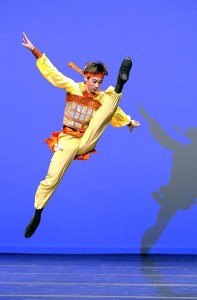

Competitive, high-intensity, and/or performance sports include activities for which the adolescent must train on a regular basis, and/or participates in organized events which hold the competing athletes to a high standard of physical performance. This includes (but is not limited to) non-impact sports such as swimming, cycling, dance, horseback riding, running, tennis, volleyball, basketball, baseball, and soccer.
All competitive, high-intensity, and/or performance sports should be discontinued if ANY of the following criteria are met:
-
The patient is currently experiencing any musculo-skeletal symptoms or pain, or experiencing any symptoms or pain while participating in these activities.
-
The patient has demonstrated poor compliance with their prescribed home rehabilitation program, in the opinion of Strauss Scoliosis Correction.
-
The patient is considered “high-risk” in regards to future progression of their scoliosis.
-
The patient’s Cobb angle of their primary scoliosis curvature measures greater than 50 degrees.
The patient should always report any pain or symptoms that are caused or aggravated by any sport or activity to Strauss Scoliosis Correction. If patients experience any such symptoms while participating in any activity, they should always discontinue the activity immediately.
Patients with limited time to exercise should be encouraged to replace general Physical Education exercises with their specific spinal isometric exercises and other rehabilitative therapies, particularly within the first 90 days of beginning treatment.
Whenever possible, the patient should strive to maintain good posture while participating in their chosen activities. Proper deep breathing should also be encouraged, both during participation and afterwards during the recovery phase.